
Researchers have mapped how genetic switches are regulated in East Asian populations, identifying tens of thousands of unique markers linked to complex diseases. This massive dataset bridges a crucial diversity gap in genetics, paving the way for more inclusive translation of genetic discovery worldwide.
A research team led by scientists in Taiwan at the National Health Research Institutes & National Taiwan University and collaborators at the Broad Institute has published a new study in Nature Communications that expands our understanding of how inherited DNA differences shape chemical markers on the genome that help regulate gene activity. These markers—DNA methylation—are part of the body's normal biological control system, but they can also offer clues about why some people are more likely to develop certain diseases.
Most previous studies of this kind have focused mainly on people of European ancestry. That has left an important gap: whether the same biological patterns hold true in other populations, and whether disease studies built on European reference data miss signals that matter elsewhere.
To address this, the team analyzed data from 7,619 Han Chinese participants, including 1,997 individuals from the Taiwan Biobank, and compared the results with a large European dataset of 27,750 individuals, providing one of the most comprehensive analyses of DNA methylation in East Asian individuals to date.
The researchers identified 331,048 sites where inherited DNA differences were linked to changes in these genome-level markers, including 28,978 unique genetic switches not previously reported in European populations.
The results showed that many biological control signals are shared across populations, which is encouraging for global health research. At the same time, the study also uncovered East Asian–specific signals that were difficult to detect in European datasets because the underlying genetic variants are much rarer there.
The study also demonstrated why ancestry-matched reference data matter. When the researchers used East Asian data to interpret disease-related genetic findings in East Asian populations, they obtained stronger and more informative results than when they relied on European reference resources alone. This suggests that more inclusive datasets can improve efforts to understand the biology behind common diseases and make genetic research more useful across populations.
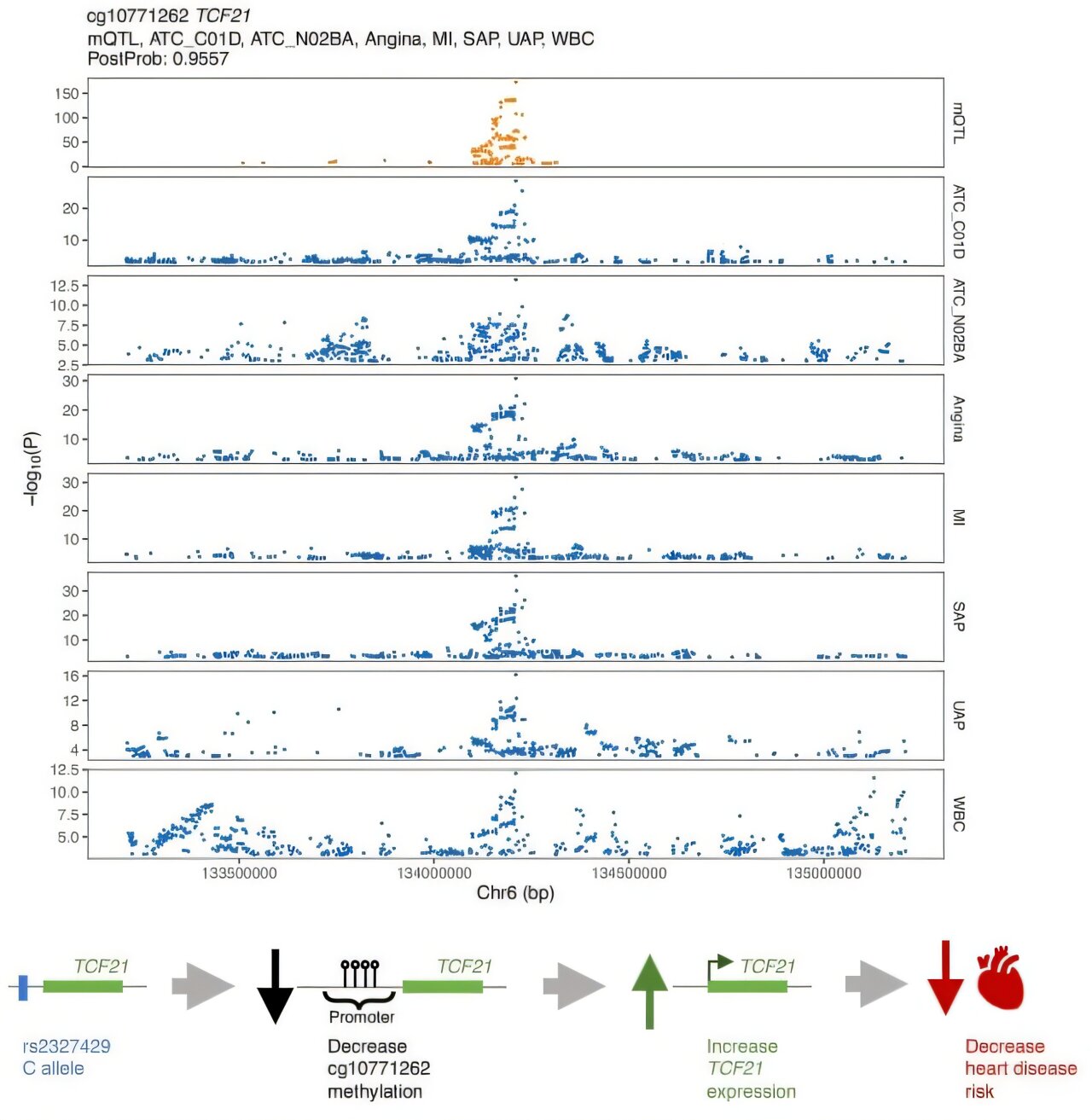
In addition, the team highlighted examples linking these biological signals to conditions such as coronary artery disease and type 2 diabetes, showing how this approach can help connect genetic findings to possible disease mechanisms. Beyond individual discoveries, the study provides an important new resource for future research on health and disease in East Asian populations.
"Human biology is shared in many ways, but not always in exactly the same proportions across populations," says co-corresponding author Prof. Yen-Chen Anne Feng at Institute of Epidemiology and Preventive Medicine, National Taiwan University.
"Our study shows that when we build research resources that better reflect global diversity, we gain a clearer and more accurate picture of how disease risk is shaped—and that ultimately benefits everyone."